Brello Research · Publications
Research on private, on-device AI
Brello Research publishes the engineering, research, safety and design work behind Brello: how Brello 1.0 runs language models on an Android phone, and how we intend to build Brello Super Intelligence.
Two kinds of publication. System descriptions document Brello 1.0, our on-device app for Android and iPhone, as built, with the parameters the app uses. Design notes set out what we intend for Brello Super Intelligence, which is in development. They report no results, and say so at the top.
Engineering: on‑device inference and retrieval
How Brello 1.0 runs a language model within a phone’s memory, and answers from the web without a server.
Show engineering publicationsResearch: model behaviour and verifiable privacy
What small models taught us while building Brello 1.0, and the design space for privacy claims that people outside Stuvio can check.
Show research publicationsSafety: consent and pre-release evaluation
How Brello 1.0 asks before it goes online, and the evaluations we intend to run before Brello SI gains a new capability.
Show safety publicationsDesign: showing a model at work
How Brello 1.0 shows when its on-device model is working: the orb, the spectrum glow and the streaming reveal.
Show design publicationsAll publications
Research feed (RSS)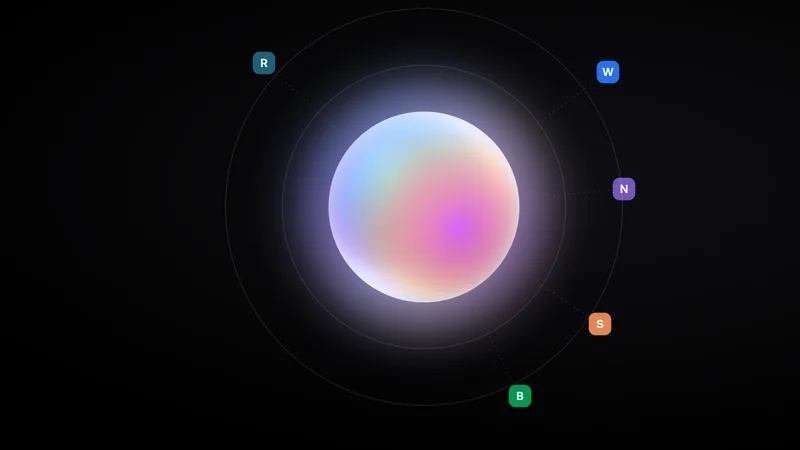
Answering from the open web, without a server
How Brello 1.0 searches, reads and ranks web pages on the phone and cites them: the provider chain, reader-mode extraction, BM25 passages and a context budget.
Read the article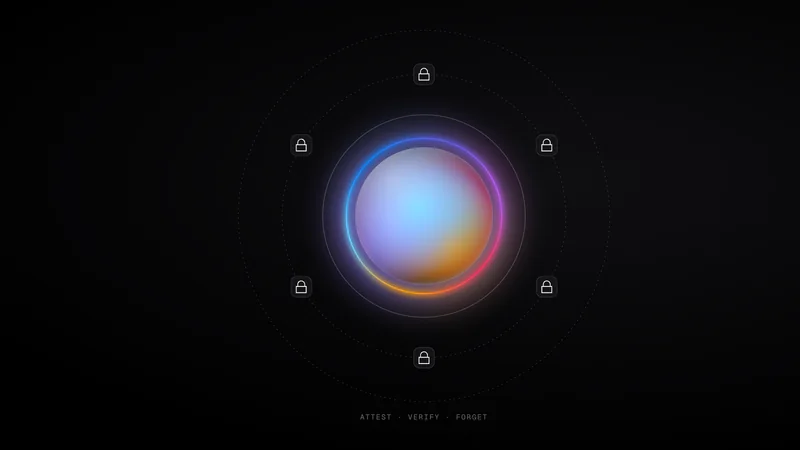
Private compute you can verify: the design space
Working notes for Brello Super Intelligence: a threat model, attestation, transparency logs and stateless processing, so privacy can be checked, not promised.
Read the article
Small models copy the shape of their instructions
Small language models copy the shape of their instructions. How Brello 1.0 handles it: a four-sentence system prompt, a 4,096-token window and a loop guard.
Read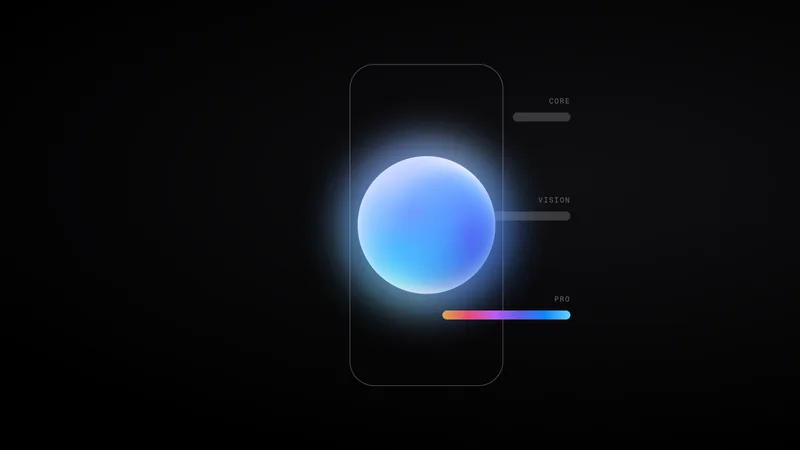
Fitting a model to the phone in your pocket
How Brello 1.0 picks a model by phone memory, checks storage before a multi-gigabyte download, runs on the GPU with a CPU fallback and recovers from failures.
Read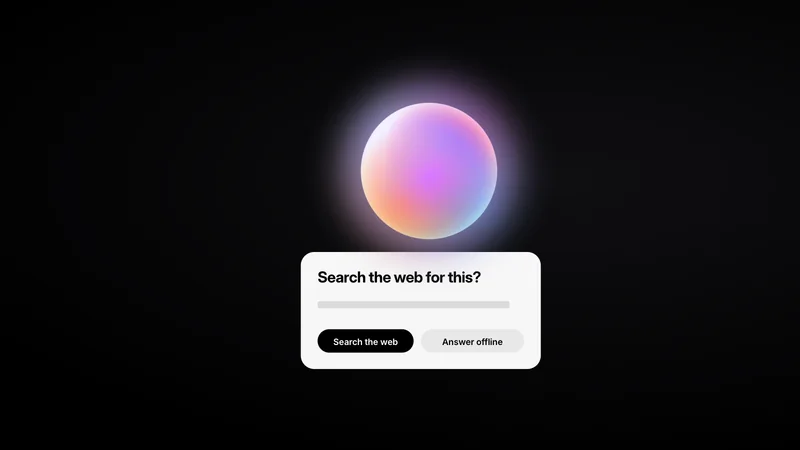
Asking before going online: consent for web search
Consent design for on-device AI web search in Brello 1.0: search is off by default, a card asks first, and every reply shows whether the web was used.
Read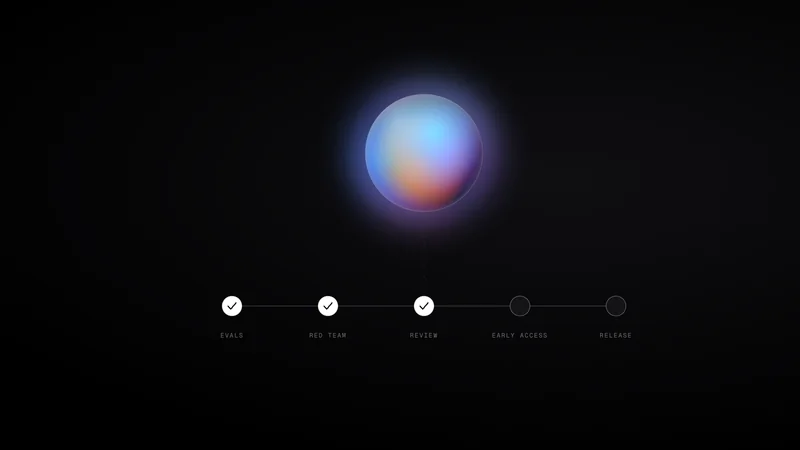
Evaluate first, then ship
How we intend to test Brello Super Intelligence before each step up in capability: six evaluation areas, the release gates we’ll apply and what we’ll publish.
Read
Designing an intelligence you can see working
The orb, the spectrum glow and the streaming reveal: how Brello 1.0 shows when its on-device model is working, and the exact maths behind each of them.
ReadAbout Brello Research
Brello Research is how Stuvio’s team publishes its technical work on Brello. Publications carry the byline Brello Research rather than individual names, and name Stuvio as publisher. Every number about Brello 1.0 comes from the app as built, version 1.0.0, and notes about Brello SI describe intent only.
Each publication has a version number and a dated history. A material correction raises the version and adds a line to that history; numbers are never changed silently. Our editorial standards set out how we source, label and correct what we publish, and Safety at Brello describes the safeguards these notes document.
Cite our work and subscribe
Every publication ends with a plain citation and a BibTeX entry, which credit Brello Research and name Stuvio as publisher. New publications appear in the research feed (RSS).
For the concepts behind this work, such as BM25, context windows and quantization, read the explainers in Learn, or look a term up in the glossary.
Contact Brello Research